
Reviewed · MELBOURNE
The Explorer – Cranbourne Gardens
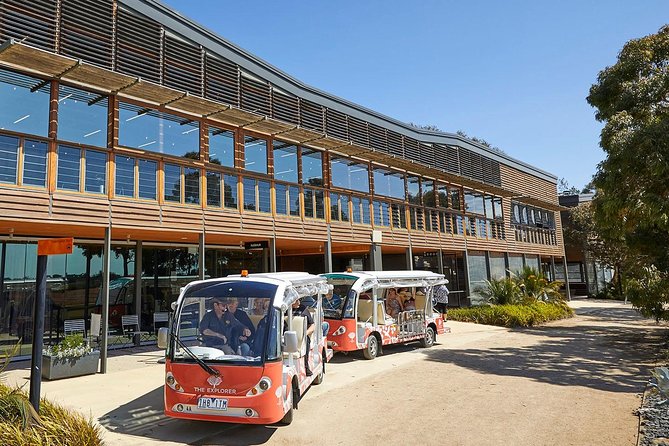
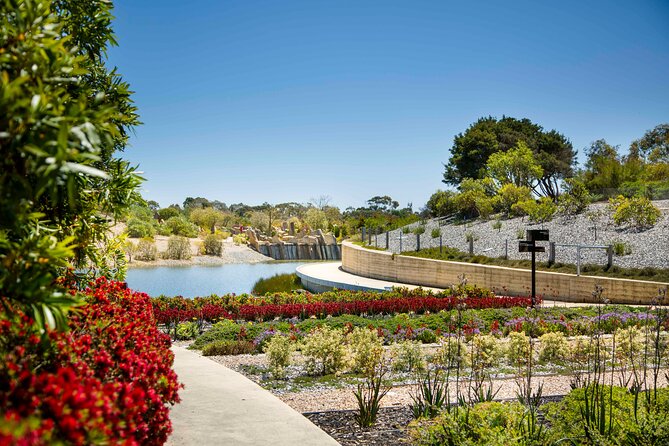
Cranbourne’s Australian Garden covers enough ground that a short bus ride can change the shape of your visit. The Explorer takes you around its 15-hectare garden in an open-air minibus, with live commentary on native plants, garden design and cultural stories. It is a useful way to get your bearings before choosing where to walk.
I especially like two things here: the quick overview helps you make better use of a large garden, and the bus gives visitors with limited mobility a way to see more than they might on foot. The driver-guide also adds context that can make a scenic ride feel like part of the visit, not just a lift.
One consideration: the tour lasts about 25 minutes, so it is an introduction, not a substitute for time among the gardens. The bus is open-air, too, so it may not be the coolest option on a hot day despite saving you a long walk.
- A 25-minute circuit: See key parts of the Australian Garden without committing to a long walk.
- Live driver commentary: Hear about plants, garden history, cultural significance and the places along the route.
- Distinctive garden stops: The route features Red Sand Garden, Howson Hill, Ian Potter Lake, Arid Garden and Dry River Bed.
- Hop-off flexibility: Your ticket includes the option to hop off at various points within the Australian Garden.
- A helpful choice for varied abilities: The bus can make a large site more manageable for families and visitors with mobility issues.
- A modest fare: At $10.76 per person, it is a relatively low-cost way to get an overview before exploring on foot.
Start with the scale of the Australian Garden
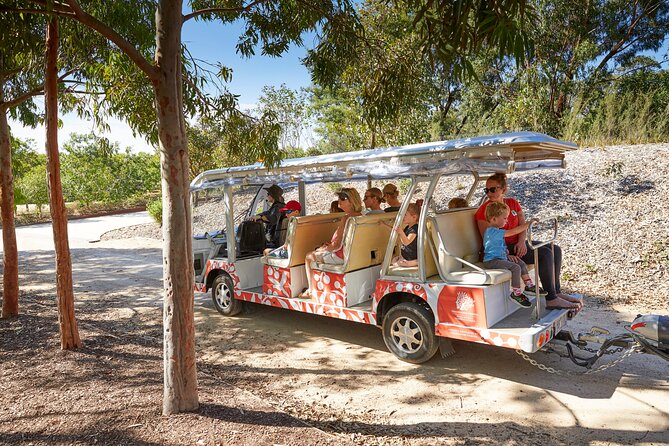
Royal Botanic Gardens Cranbourne is known for its Australian Garden, a substantial collection of native plant displays and designed spaces. At about 15 hectares, it is large enough that walking every path takes time and energy. The Explorer offers a practical first look, especially if you are visiting on a tight schedule or want to save your legs for selected walks.
The bus departs from the Visitor Centre and carries you through a sequence of garden areas in an open-air minibus. The route begins at Red Sand Garden, follows the eastern side of the Australian Garden, then winds back through Peppermint Garden. Along the way, the driver-guide provides live commentary, connecting what you see with stories about the garden, Australian plants and the cultural meaning of the place.
Think of this as an orientation ride, not a full garden tour on foot. You get a sense of the layout and its variety, then can decide where you want to spend more time. That can be especially useful when the garden is one stop on a day that also includes other plans.
Red Sand Garden sets the scene
The route begins at Red Sand Garden, a strong opening to a garden devoted to Australian plant communities and forms. The name points to the visual character of the area, and the ride gives you a chance to take it in from a different angle than you would on a path.
The bus format is useful here because it lets the guide talk while you look. Rather than trying to read signs as you walk, you can hear an overview of the garden’s design and the stories behind its spaces. That context helps the later stops make more sense, even if you only have time for one short ride.
A moving view has its limits. You may not be able to pause for a close look at every plant or garden feature, and the best way to appreciate details is still to get out and walk. Treat the first stretch as a preview, then use the hop-off option if a particular area catches your interest.
Other days out people book around Mornington Peninsula:
- Mornington Peninsula Small Group Thermal Springs w/ Lunch & Wine
★ 5.0 · 69 reviews - Mornington Peninsula Wine Day Tour
★ 5.0 · 58 reviews - Sorrento: Dolphins & Seals Snorkeling Cruise w/ Lunch
★ 4.1 · 52 reviews
Follow the eastern route to Howson Hill
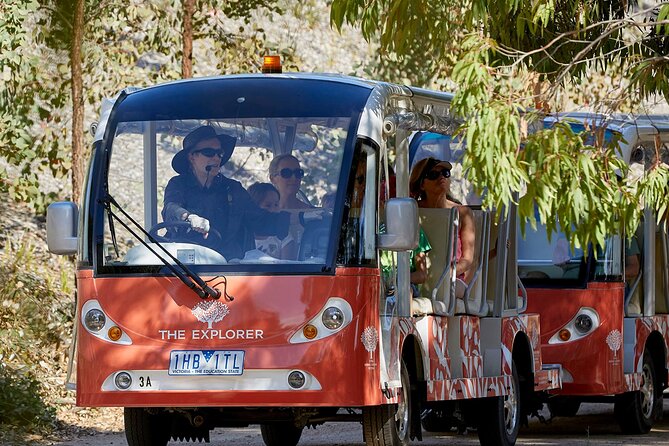
From Red Sand Garden, The Explorer travels along the east coast of the Australian Garden. The route takes in Howson Hill, one of the named highlights, and offers a changing view of the garden’s planted areas as the minibus moves along.
The guide’s commentary is an important part of this stretch. The tour is designed to cover more than names of plants: it includes garden history, cultural significance and interpretation of nature. That broader approach can help you read the garden as a designed place, rather than as a collection of attractive beds.
For keen gardeners, this overview may prompt questions you can follow up on during a later walk. For families, it can make the ride more engaging than simply circling the grounds. One family-focused option is the Kids Explorer Bus, which runs free for children during school holidays. Check that the fare shown at booking reflects the free-child arrangement. A booking error has caused confusion for at least one family.
Ian Potter Lake and the garden’s water features
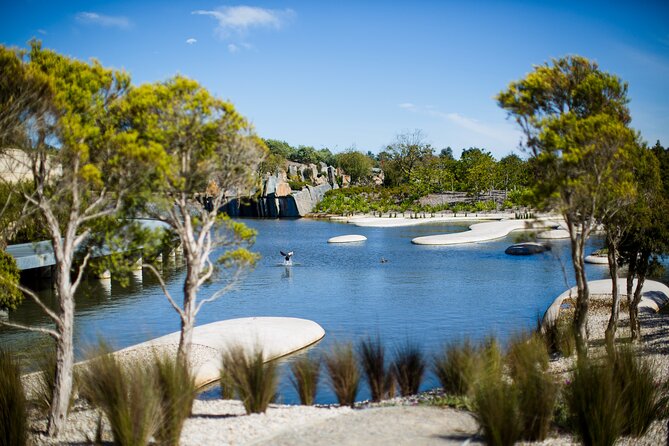
Ian Potter Lake is another highlight along the route. Water adds a different note to the garden’s native plant displays and gives you a chance to see how the designed areas vary from one another. The ride lets you take in the broader setting without having to cover the distance between features on foot.
The lake and water features may be among the most restful parts of the circuit, but the bus is still moving. If you want time to linger, take advantage of the hop-off flexibility and explore at your own pace. The tour information does not specify the exact hop-off points or how reboarding works, so ask staff before you set out if you plan to use the bus as transport between walks.
This is a good example of why the ride works best as an introduction. You can note a spot that appeals to you, then decide whether to return on foot. If you are short on time, the view from the bus at least gives you a sense of the site’s water features and overall design.
Arid Garden and Dry River Bed
The Arid Garden and Dry River Bed bring a different set of forms and plant environments into view. These stops make the route more than a quick circuit of one uniform planting style. The contrasts between named garden areas help show the range of Australian plant life and the ways a garden can represent different conditions.
The driver-guide’s live interpretation matters particularly here. Plants that may look unfamiliar can be easier to understand when someone explains their place in the garden and the story behind the display. The commentary also covers cultural significance, so the experience is not limited to horticultural facts.
Still, this short ride cannot give every area the same attention. If native plants are a main reason for your visit, plan to spend time walking after the bus tour. The Explorer offers a useful introduction, while close observation is best done at ground level, with time to stop.
Same patch of Victoria, a different plan:
- Mornington Peninsula Sightseeing and Bay Cruise
★ 4.5 · 51 reviews - Arthurs Seat Eagle: Scenic Gondola Ride
★ 4.7 · 44 reviews - Mornington Peninsula Self-Guided Bike Tour | Food & Wine Region
★ 5.0 · 44 reviews - Mornington Peninsula: Hot Springs and Body Clay Ritual
★ 4.5 · 36 reviews
Peppermint Garden brings the route back around

After the eastern stretch, the bus winds back through Peppermint Garden. This returning leg completes the loop and offers another view of the garden’s planting and paths. The route is compact enough to fit into a wider visit, yet varied enough to help you understand that the Australian Garden is not one single scene repeated over and over.
The circuit’s short duration is both its advantage and its limit. In about 25 minutes, you can cover a lot of ground and hear a concise account of the place. You will not get the leisurely pace of a long guided walk, but you also avoid spending a large share of your day just getting oriented.
The driver makes a difference. Peter has been praised for his knowledge of the garden’s plants and history, and for keeping the ride lively. You cannot assume he will be your driver on a given day, but the tour includes a driver-guide and live commentary, which are central to its value.
What the bus adds for families and mobility needs

The Explorer is a sensible option if anyone in your party has difficulty walking long distances. A visitor with mobility issues can still see much more of the large garden than they might manage on foot alone. The tour is also described as suitable for most participants, and service animals are allowed.
Families may appreciate the change of pace. A bus ride gives children a break from walking, while commentary and moving views can hold their attention. During school holidays, children ride free on the Kids Explorer Bus. Since a fare mix-up has caused a refund dispute, check the child pricing carefully before you pay.
The bus is open-air, so it is not a climate-controlled refuge. It may help you avoid exertion, but weather still matters. The experience requires good weather; if poor conditions cancel the trip, you are offered another date or a full refund. On a warm day, consider whether an open-air ride suits your group, and plan the rest of your visit accordingly.
Is $10.76 good value for 25 minutes?
At $10.76 per person, The Explorer is priced as a short add-on rather than a full-day activity. Its value comes from combining transportation around a broad garden with commentary that helps you make sense of what you are seeing. If walking the entire Australian Garden would be tiring or impractical, that combination is particularly useful.
The ride may be less compelling if you are already set on exploring every path at your own pace and have plenty of time. You will still see the major areas from the bus, but the experience is brief and some details are easier to appreciate on foot. I would think of the fare as paying for a guided overview and a leg-saving circuit, not as buying access to the garden itself.
Admission to the bus tour is included with the ticket, but transport to and from the gardens and hotel pickup are not. The meeting point is at Royal Botanic Gardens Cranbourne, Ballarto Road and Botanic Drive, Cranbourne. If you are making a longer outing of it, factor in your own transport to the gardens.
Practical details before you go
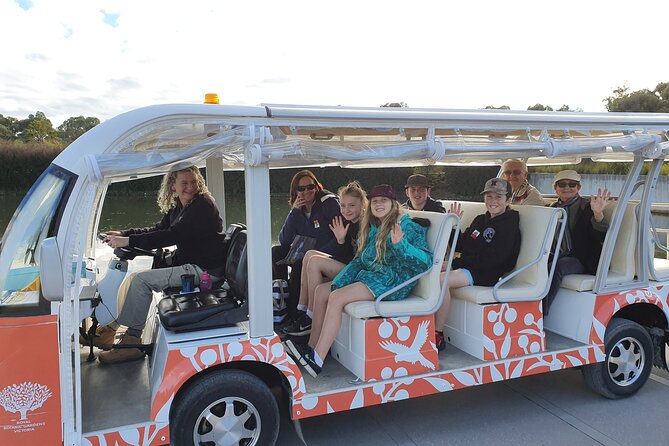
The tour lasts about 25 minutes, and the maximum group size is 25. Confirmation is provided at booking. The operator is Royal Botanic Gardens Victoria, and the ride starts at the Visitor Centre.
Your ticket includes the flexibility to hop off at various stops within the Australian Garden, but the available information does not spell out the stop schedule or reboarding rules. If you want to use the bus to break up a walk, ask how the system works before you board rather than assuming you can catch the next bus at any point.
The experience is recommended by 97 percent of customers and has a 4.8 rating from 135 ratings. The strongest points are consistent with the tour’s purpose: a good overview, an informative and friendly driver, a way to see more with limited mobility, and a family-friendly change of pace. There is also a cafe at the gardens, useful if you are planning to stay longer, though the bus ticket does not include food.
Should you book The Explorer?
Book it if you want a quick, guided overview of the Australian Garden, prefer not to walk the full site, or are visiting with children or someone who needs to conserve energy. The route covers several distinct areas, and the commentary gives the ride more purpose than a simple shuttle.
Skip it if your main goal is slow, close-up study of plants and you are happy to walk. You can still explore the garden on foot, and the bus’s 25 minutes may feel too brief if you want a detailed tour. For most visitors, though, it is a practical first step: ride once, learn the layout, then choose where to linger.
FAQ
How long does The Explorer tour take?
The ride lasts approximately 25 minutes.
Where does the bus tour start?
It departs from the Visitor Centre at Royal Botanic Gardens Cranbourne. The ticket redemption address is Ballarto Road and Botanic Drive, Cranbourne VIC 3977.
What garden areas are featured on the route?
Highlights include Red Sand Garden, Howson Hill, Ian Potter Lake, Arid Garden and Dry River Bed. The route starts at Red Sand Garden, follows the eastern side of the Australian Garden and returns through Peppermint Garden.
Is there commentary during the ride?
Yes. A driver-guide gives live commentary about garden stories and history, cultural significance, plants and nature.
Can I hop off during the tour?
The ticket includes flexibility to hop off at various stops within the Australian Garden. The exact stop and reboarding arrangements are not specified, so ask staff before boarding if you plan to hop off.
Do children ride free?
Children ride free on the Kids Explorer Bus during school holidays. Check the child fare shown during booking, since an incorrect charge has caused confusion.
Fresh picks around Mornington Peninsula
- Private Wine Tasting Tour in Mornington Peninsula with Lunch★ 5.0 · 23 reviews
- Small Group: Ultimate Mornington Peninsula Food and Wine Day★ 5.0 · 9 reviews
- Mornington Peninsula Coastal Discovery Tour from Melbourne★ 5.0 · 4 reviews
- Mornington Peninsula Day Tour. Your Day Your Way. Your group only★ 5.0 · 34 reviews
- From Melbourne: Hop On Hop Off Mornington Peninsula★ 5.0 · 30 reviews
- Montalto Vineyard: Mornington Peninsula Discovery Wine Tasting and Lunch★ 5.0 · 10 reviews
- Mornington Peninsula Boutique Wine and Lunch Small Group Tour★ 5.0 · 22 reviews
- Ultimate Mornington Peninsula Food and Wine Small Group Tour★ 5.0 · 28 reviews